Produced by Studio de Arte Palma
Brazil, 1948
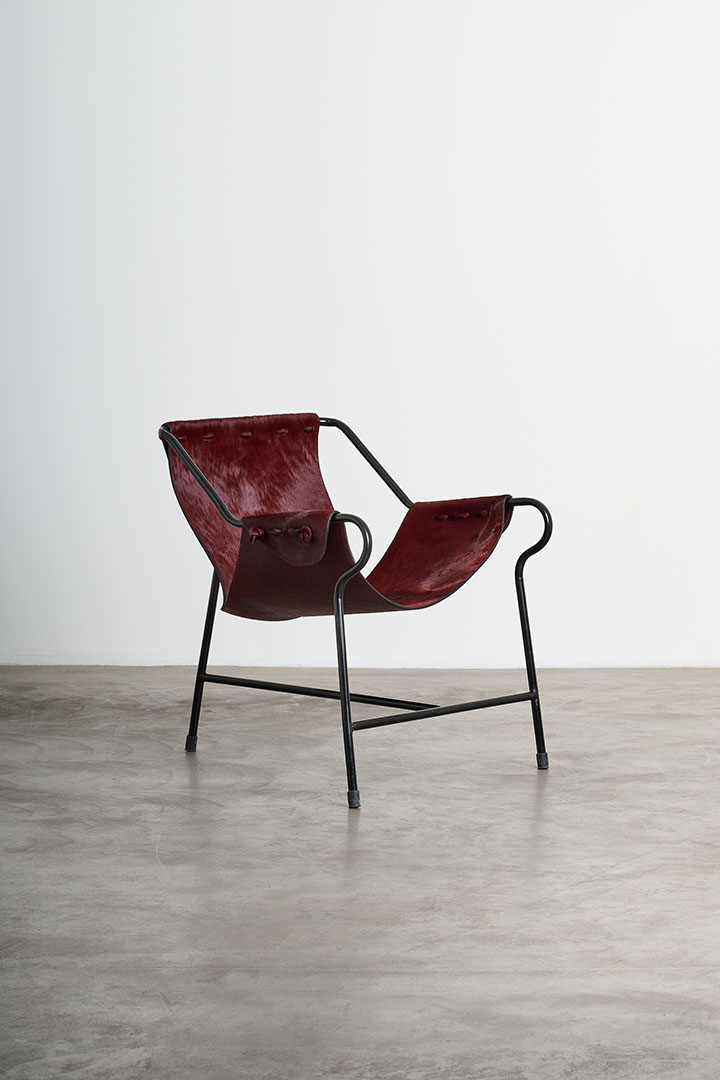
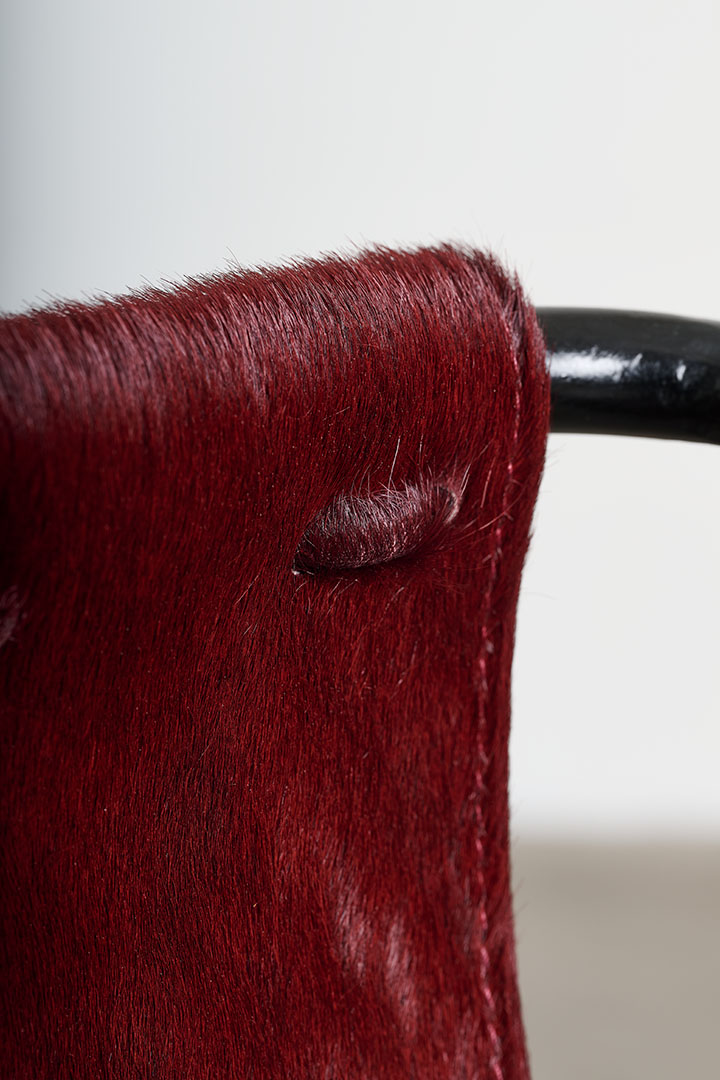
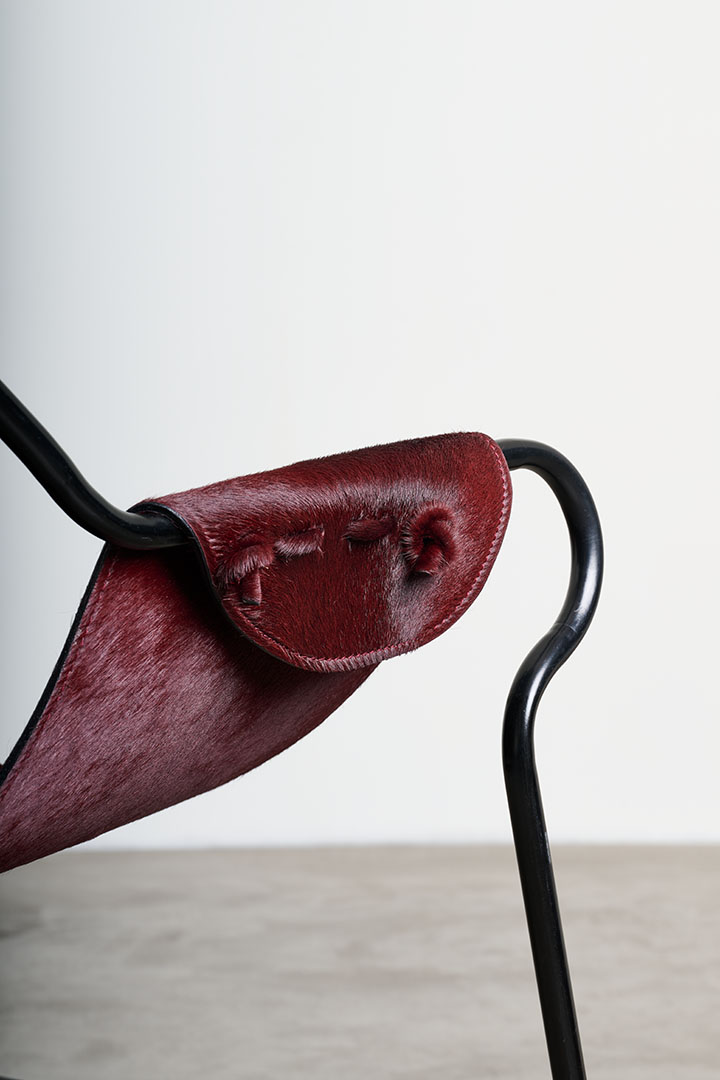
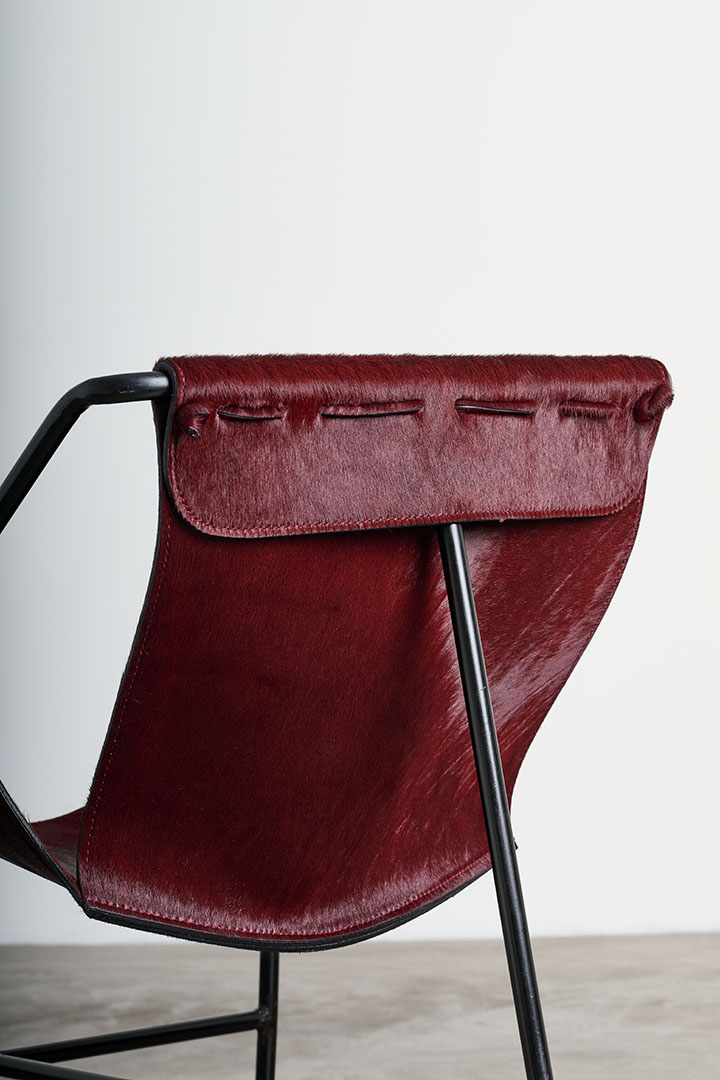
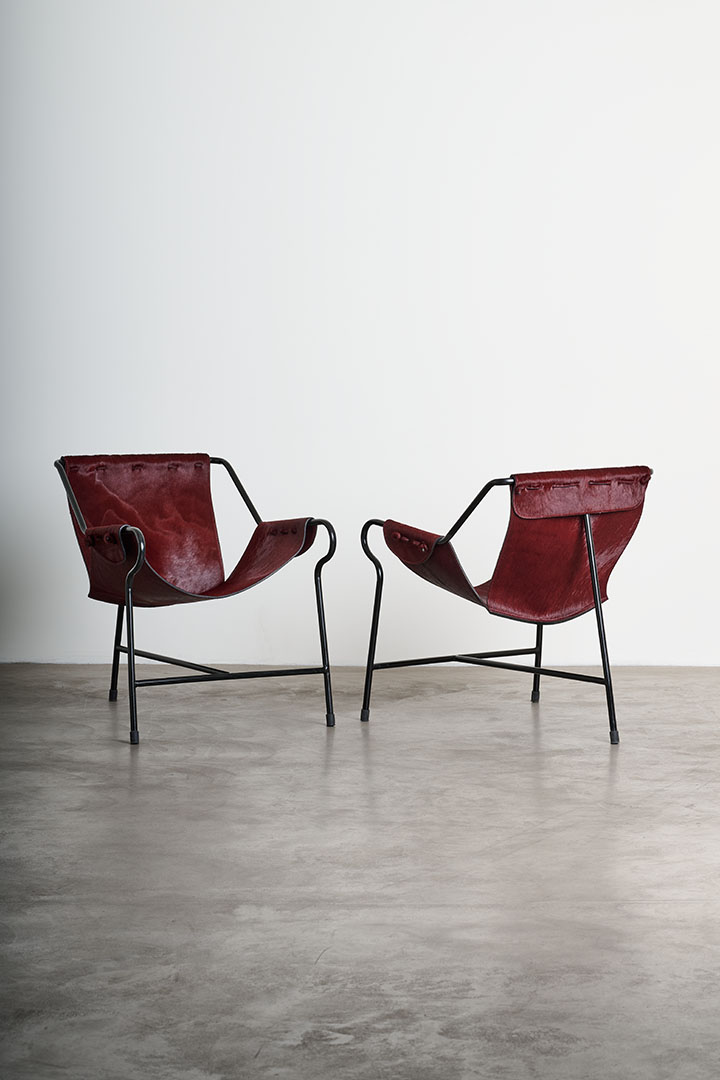
Metal, cavallino leather upholstery
AA.VV., Os Modernos Brasileiros, Planeta Brasil, 2010, p. (reproduced a similar example)
M. Vasconcellos & A. Vincente, Móvel Moderno Brasileiro, Éditions Olhares, São Paulo, 2017 (reproduced a similar example), p. 117
R. Teixeira & J. Vargas, Desenho da Utopia, Éditions Olhares, São Paulo, 2016. (reproduced an example)
Maria Cecilia Loschiavo dos Santos, Móvel Moderno no Brasil, Éditions Olhares, São Paulo, 2015, p. 134 (reproduced similar example), p. 59
M.C. Loschiavo dos Santos, Jorge Zalszupin, Éditions Olhares, São Paulo, 2014. (reproduced a similar example), p. 26
Lepik & V. S. Bader, Lina Bo Bardi 100, Éditions Hatje Cantz - A.M., Ostfildern, 2014. Similar example reproduced (n.p.)
Lina Bo Bardi (ed. Marcelo Carvalho Ferraz), 1993, p. 59;
Habitat no. 1, pp. 53–59
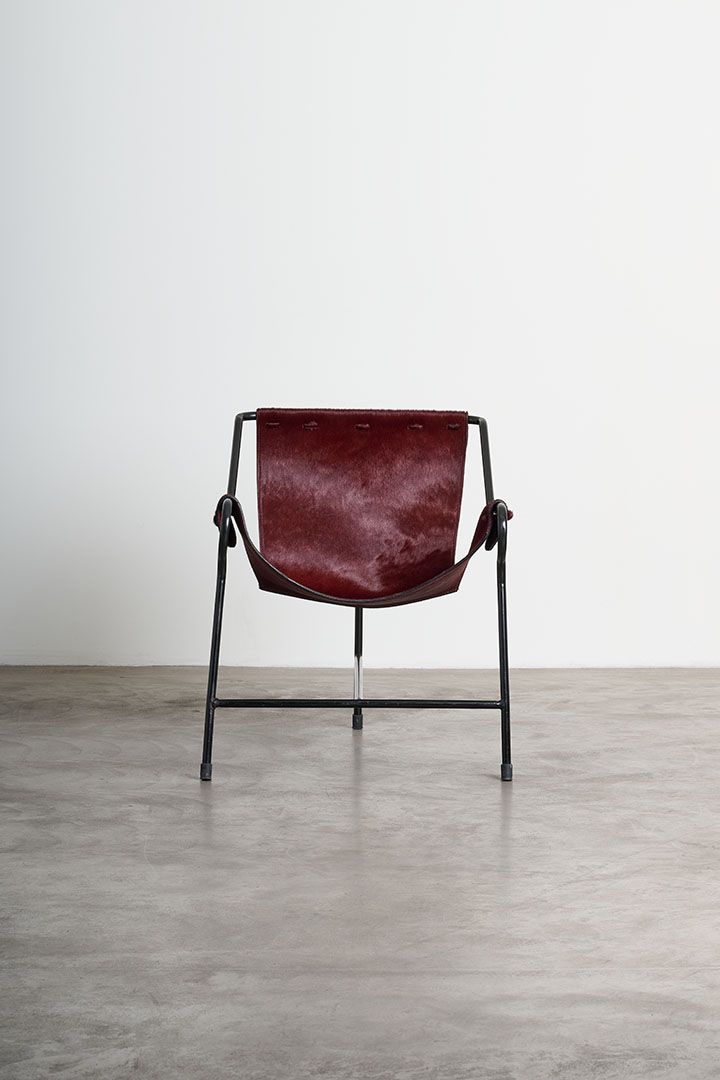
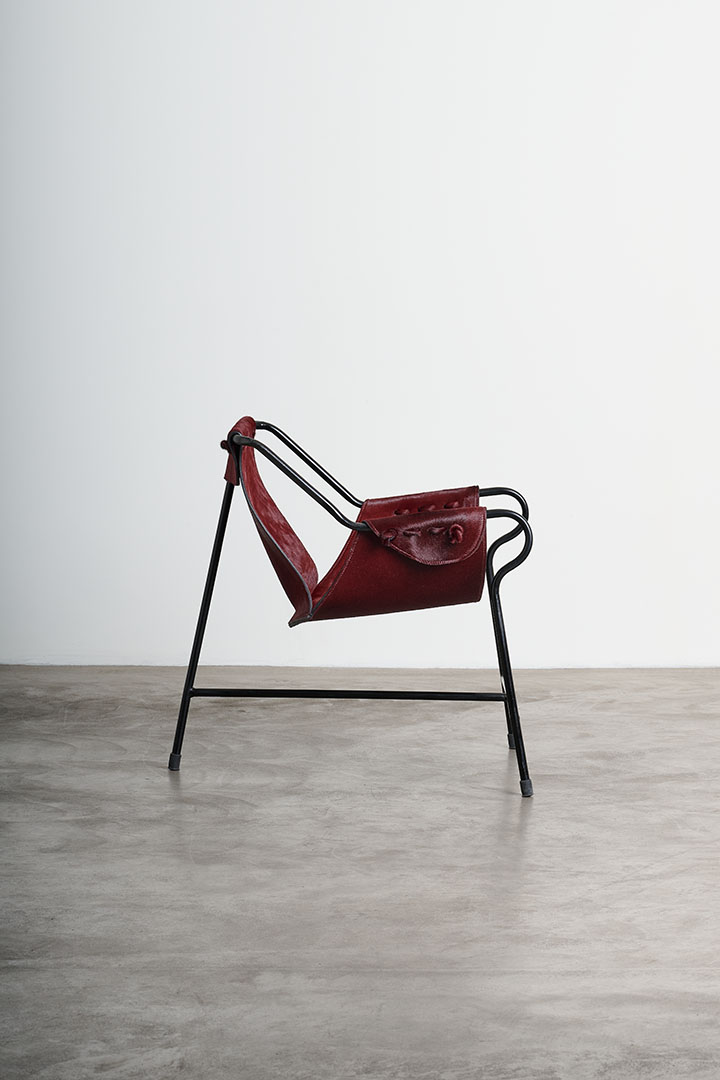
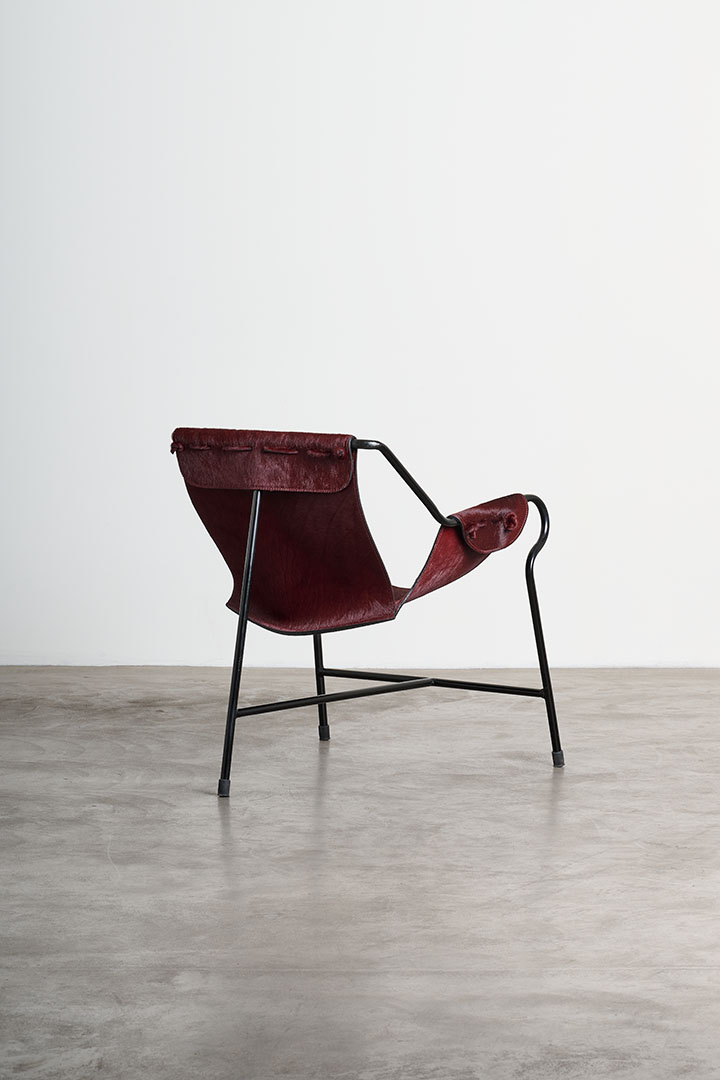
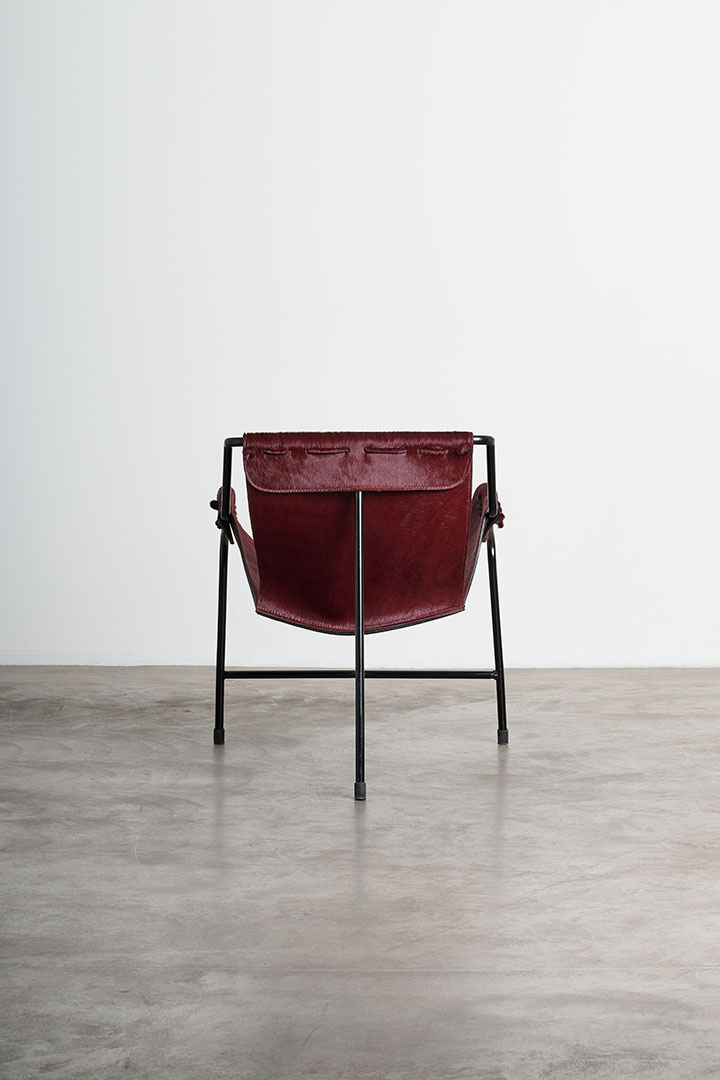
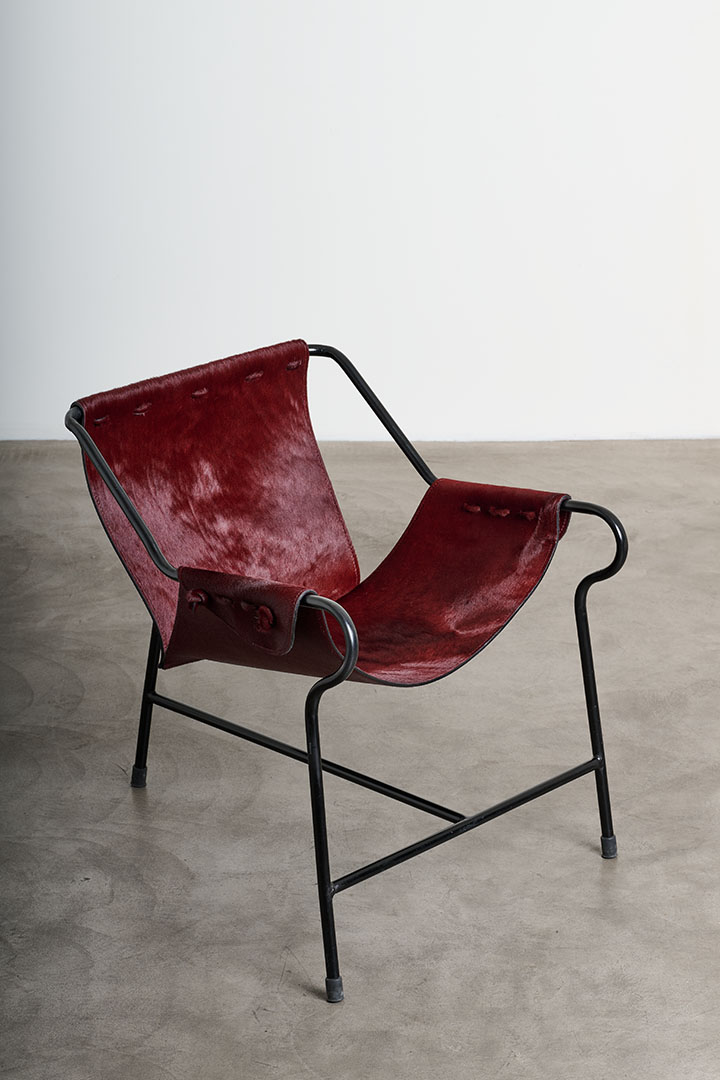
Produced by Studio de Arte Palma in 1948, the Tripé de Ferro chair exemplifies Lina Bo Bardi’s early exploration of form, comfort, and adaptability. Made of metal with a cavallino leather seat, its three-legged structure and suspended, hammock-like design reflect Bo Bardi’s fascination with the fluidity of everyday life and the relationship between body and object. Drawing inspiration from the hammocks used across Brazil, the chair transforms an element of vernacular leisure into a modern, essential design masterpiece.
W 68 x D 80 x H 78 cm | W 26.77 x D 31.50 x H 30.71 in